

Wilderness First Responder Courses
A Wilderness First Responder (WFR) course will provide you with essential training for delayed medical care, leadership, and critical thinking.
What is a Wilderness First Responder?A Wilderness First Responder course is a 70–80 hour medical training course that prepares participants to assess patients, manage trauma and medical emergencies, and make evacuation decisions in remote and delayed care settings where EMS response may be unavailable for hours or days.
Wilderness First Responder Courses (WFR)
7-10 Day Courses Offered | 5 day Hybrid Options Available | Private Group Courses Available
-
The Wilderness First Responder (WFR) course is the ideal medical training for outdoor educators, wilderness guides, members of the military, professional search and rescue teams, wildland firefighters, researchers, and those involved in disaster relief. The course provides essential training in wilderness medicine, leadership, and critical thinking for professionals and leaders working and traveling in outdoor, low-resource, and remote environments. The WFR curriculum is both comprehensive and practical and involves a minimum of 70 hours of instruction when taught in the United States (hours vary slightly in other countries). During the course, students learn the essential principles and skills required to assess and manage medical problems in isolated and extreme environments for days and weeks if necessary. Upon successful completion of the course, students will receive a Wilderness First Responder certification and certification of CPR taught to an equivalent health care provider level.
-
The Wilderness First Responder curriculum is written in-house by a team of remote medical rescue researchers and professionals. Ongoing evidence-based research and review contributes to a unique and innovative approach to patient care in backcountry and austere settings. The curriculum is comprehensive, complete, and kept current on an annual basis. This is the most current and cutting-edge course of any first response medical training (urban or remote) in the world.
The general principles of wilderness and rescue medicine with an emphasis on the prevention and identification of medical emergencies, appropriate technology, and risk management.
Patient assessment and emergency care including CPR, basic life support, and the emergency treatment of anaphylaxis and asthma.
Environmental medicine including altitude illness, hypothermia and heat illness, frostbite and cold injury, lightning, submersion, and environmental toxins.
Backcountry medicine including the assessment and treatment of common medical problems.
Musculoskeletal problems including unstable and stable injuries, overuse syndromes, and dislocations.
Wound management including open fractures, lacerations, burns and blisters.
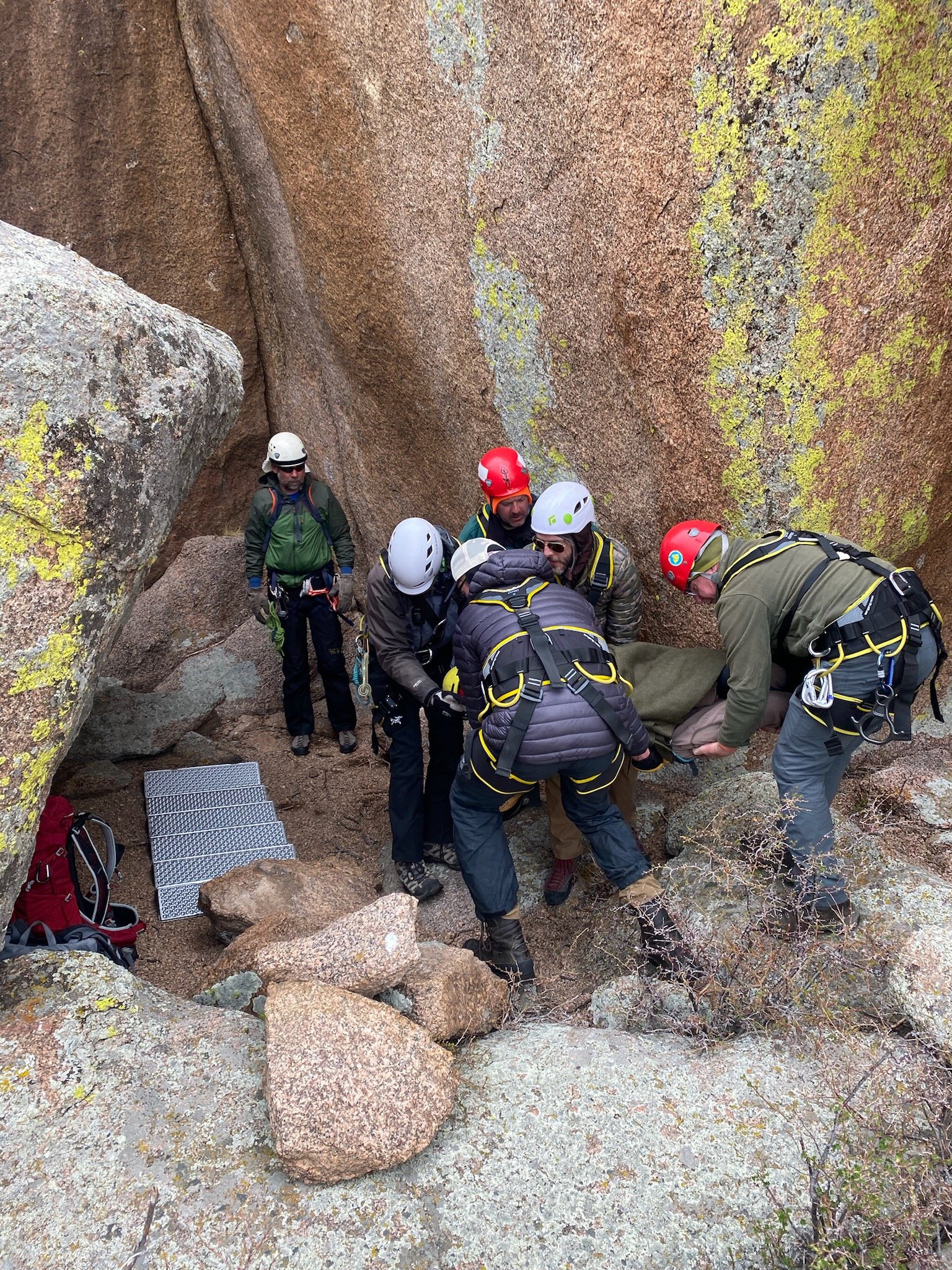
Practical skills including splinting, bandaging, litter packaging and medical kit preparation.
WMA wilderness protocols including wound cleaning and exploration, spine injury assessment, dislocation reduction, CPR in the remote setting, and anaphylaxis and asthma.
-
Upon successful completion, students will receive a Wilderness First Responder certification and certification of CPR taught to an equivalent health care provider level. Certifications are valid for three years. The course is registered for 70 hours of continuing education credit through the CAPCE.
-
Early Bird: $ 985.50 / person
Regular : $ 1095 / person
Early Bird pricing for booking at least 5 weeks in advance.
Use Code: Early_Bird_26
Students must be at least 16 years old to participate in this course. Those under 18 years of age require the written consent of a parent or guardian.
-
Hybrid courses require completion of all online modules prior to attending the online portion. This typically takes at least 30-40 hours of time. Booking for this course should be done as early as possible to provide yourself with plenty of time. The online portion of the course will be made available 6 weeks in advance.
Bookings will not be accepted within 2.5 weeks of the scheduled, in person portion of the course.
Wilderness First Responder “WFR” courses are ideal medical training for:
Outdoor Educators
Outdoor Guides
Outdoor Recreation
Professional Search and Rescue Teams
Wildland Firefighters
Feild Researchers & Scientists
Military
Disaster Relief
Upcoming Wilderness First Responder Courses
2026 Courses
Book at least 5 weeks before course and save 10% with Code: Early_Bird_26
Use the filter to display your desired course options.
Custom Dates
Hybrid | Full In-person
Your Location
$985 per person
Must be booked 5 weeks minimum in advance
Wilderness First Responder Course - RECERT
WFR Recert is designed to update, recertify, and refresh current Wilderness First Responders. WMA International invites eligible WFR graduates from other wilderness medical schools to recertify with us. OEC holders can also rectify with us and receive a WFR certification
FAQs
-
A Wilderness First Responder course is intended for outdoor professionals, guides, search and rescue members, and individuals who may be responsible for medical care in remote environments for extended periods.
-
Wilderness First Responder certifications are valid for three years. Recertification is required to update current best practices, maintain active status and ensure continued competency in wilderness medical care.
-
Yes. Wilderness First Responder certifications are widely recognized by outdoor employers, guiding services, search and rescue teams, and expedition organizations.
-
Wilderness First Aid provides basic medical training, while Wilderness First Responder offers more advanced patient assessment, trauma management, medical decision-making, and prolonged care skills for remote settings.
-
WFR courses include hands-on scenarios and realistic simulations but are designed for a wide range of fitness levels. Participants should expect moderate physical activity.
-
Yes. Wilderness First Responder courses include CPR certification as part of the curriculum, following current resuscitation guidelines.
-
Wilderness First Responder training may not be necessary for individuals who recreate in areas with immediate access to emergency medical services and are not responsible for others.
-
No. Wilderness First Responder training focuses on remote assessment and decision-making, while EMT training is designed for urban emergency medical systems.
-
No. Wilderness First Responder training prepares individuals to make evacuation decisions and manage care until evacuation or transfer to professional medical services is possible.
-
In mountainous or cold regions the environment provides natural feedback for exposure management, weather-related risk mitigation, prolonged care and delayed evacuation planning.
-
Recertification is offered as a hybrid course or a full in-person course for eligible participants. Successful course participants can recertify their WFR certification for another three years.
All course content follows Wilderness Medicine Associates curriculum standards and emphasizes practical decision-making in remote environments.
WFR has been designed for professionals and outdoor leaders. Those who work and travel in remote, backcountry, low-resource, or austere environments will all benefit from a Wilderness First Responder Course.

Soap Notes
Hybrid or In-Person WFR?
Wounded Bear Medicine teaches both a fully in person and a hybrid online/in person Wilderness First Responder. We often get questions about which one to take. Both courses cover the same material in the same amount of total time and we find that each student needs to determine which course type and schedule works best for them.